
Let me start by saying I haven’t used ChatGPT or any other AI to write this article. It comes from my heart and my experience of over 20 years as a business coach. This may be important to you the reader, as it may improve your trust levels in my article.
A question often asked of me when seeing a potential client is “what do you know about my industry?”. I usually reply, “not a lot” and then I smile and say, “this is a good thing, let me explain why”. The main reason why is that I have found that a business owner will already know a lot about their industry, or know how to easily gain more industry knowledge through their professional association or industry contacts. So, I don’t usually need to help here.
Common factors in most businesses
What I most commonly find are three things;
- The business owner hasn’t got any goals, or isn’t clear on the goals they have.
- They haven’t written these goals down and developed a plan of action, with steps outlined towards their main goals.
- They don’t spend enough time working ON their business, and are instead constantly dragged “into the weeds” of the day-to-day business tasks or working too much IN their business.
So, whilst choosing a business coach with a track record of success is a probably important criteria, I think a better question is, does the coach you hire have a system or method to do the following:
- Identify what you the business owner wants.
- Can they help you develop a plan that has a good chance of success for you?
- Do they have a process to coach or guide you to achieve your goals, and the steps needed to achieve this?
What matters most?
Essentially, how good of a record the coach you choose has, is less important than how serious you the business owner are about change. Will you listen and take the actions that you agree with your coach every week to do the necessary work on the business?
My experience is that this will require 3-4 hours per week, working on your business, at least, depending on your goals.
The coach doesn’t have to be a veteran. A brand-new coach with a good system, who is emotionally intelligent and hard-working could succeed with you. Track record is useful, but just because your coach is an “old hand” in coaching, doesn’t guarantee that they are successful. So, take care not to just pick a veteran, but consider many factors.
What to look for in a good business coach
A few further considerations on what to look for, and some of these are obvious:
- Do they have a range of testimonials of current and past successes?
- Does their coaching system have recognition in the marketplace in New Zealand and globally?
- Did they turn up on time, looking professional, and speak well when you met?
- Do you detect some kind of “x-factor” in their life that hints at why they are likely to be successful as a business coach?
- Have they got a track record of publication, regular learning etc? Have they written or published a book or articles? Are they constantly learning in a fast-changing business world?
- Are there any guarantees with their coaching program?
- Do you like them? Are they personable and could you work with them?
Final thoughts
When you hire a plumber, you want your dripping tap fixed. He or she will fix the tap for an agreed fee. You will pay the bill if the job is done well. This is generally the limit of the transaction.
When you hire a consultant, they will produce a report or carry out an action for you. The engagement level is greater here than with the plumber, but the consultant will generally carry out or do the work for you, and you will pay them.
With a coach, you’ll tell then what you want, and their job is to give you direction and hold YOU accountable to do the work. This work is an action plan and steps based specifically on what you said you wanted. Yes, that’s right, you’ll do most of the work! You are still paying for an outcome but your ability to engage and make change over the medium term is one of the critical factors for success. The coach will always be there to guide, support and provide you with great information that you’ll need to make the necessary changes required to achieve your goals.
However, your coach’s number one job after this is to hold you accountable to what you said you wanted to achieve.
I always say my job as a coach is to plead, threaten, cajole, motivate my clients to achieve their success which is their stated goals… that’s what makes a good coach!
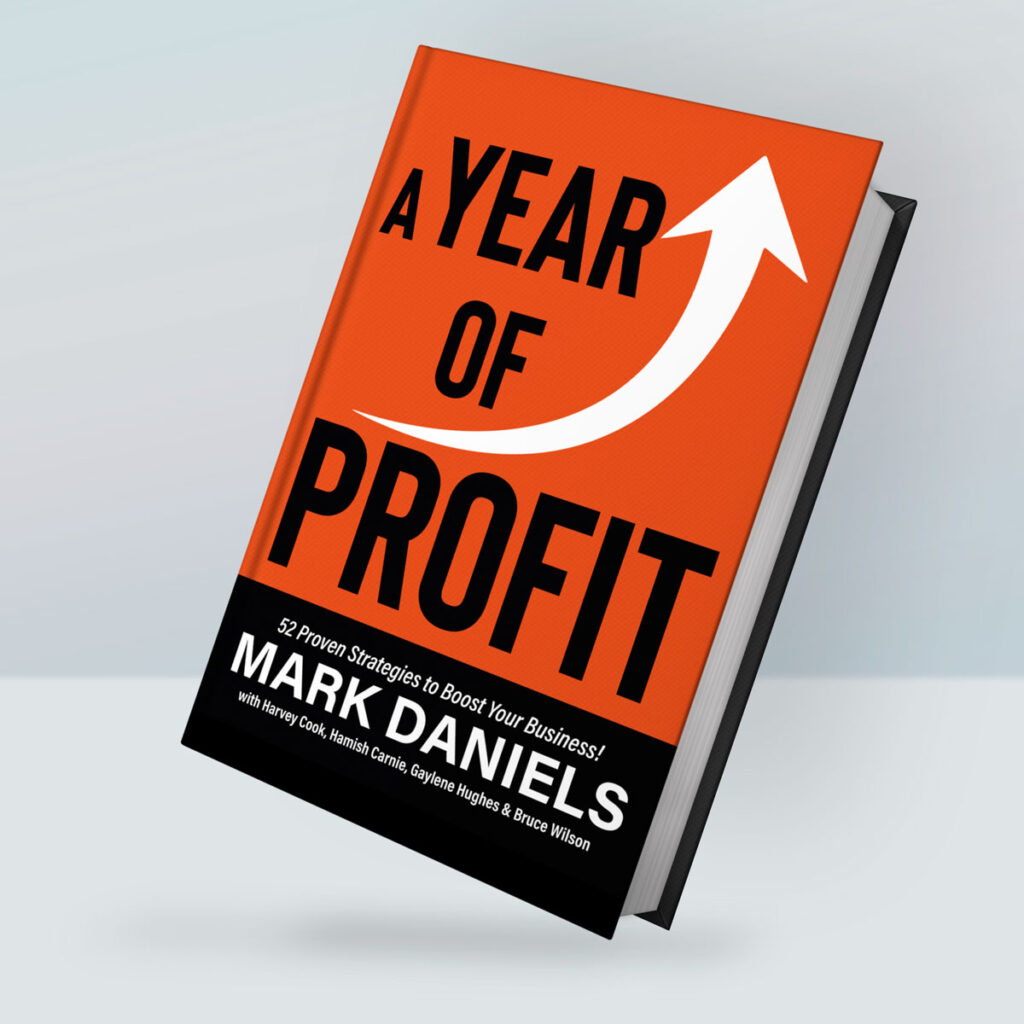
For more information on how to best work ON your business email Mark for a free copy of his book: A Year of Profit – 52 Proven Strategies to Boost Your Business!
By Mark Daniels, from the heart, no AI used

Mark Daniels
8 October 2025
Latest posts
ActionCOACH launches ActionNATION
“Today we flip the switch. ActionCOACH is now more than…
Mark Daniels
How Does Your Business Coaching Program Work?
Mark discusses the value of working ON your business verus…
Mark Daniels
I Need Help with My Team
It only takes one under-performing team member to put the…
Mark Daniels
How Important Is It To Have A Business Coach With A Track Record Of Success?
Mark discusses the most important factors to consider when choosing…